

 +44 2392 006926
 Back to Blog page


Uncertainty in business is higher than ever right now. With increasing economic pressures, shifting markets and greater demands on managers, organisations should be looking for leadership development that quickly identifies capability gaps and delivers practical improvement.
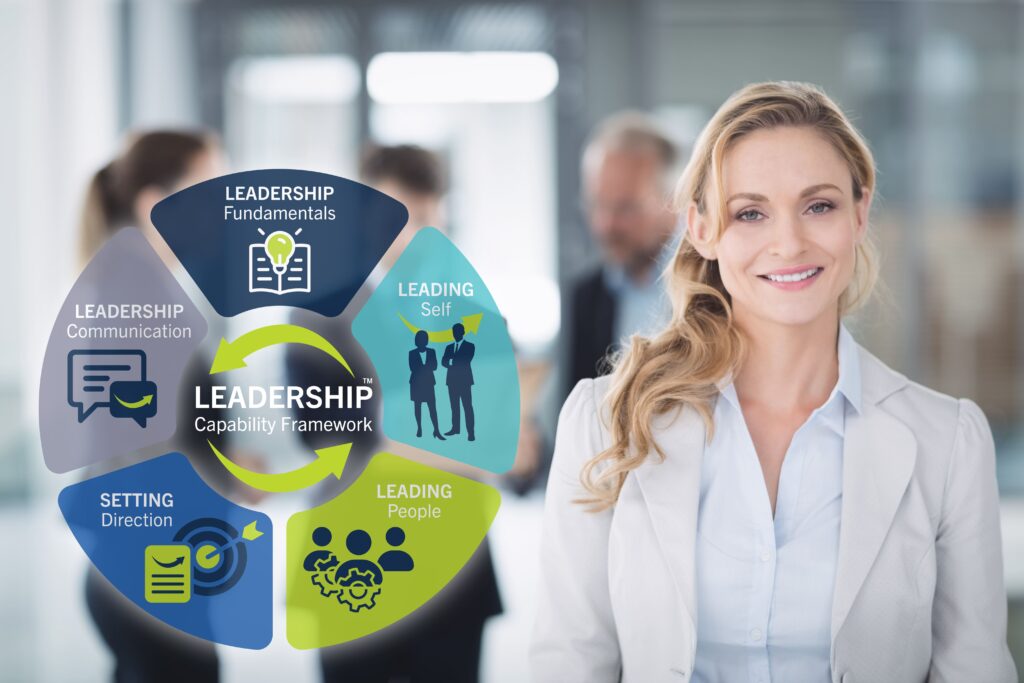
Which is exactly why we have created the Leadership Capability Framework™.
Rather than offering generic, off‑the‑shelf management training, the framework gives owners, HR and Training Managers a clear way to select the exact knowledge, behaviours and competencies they want their managers to develop. We then design a tailored programme that fits those needs precisely.
A complete, practical structure for modern leadership
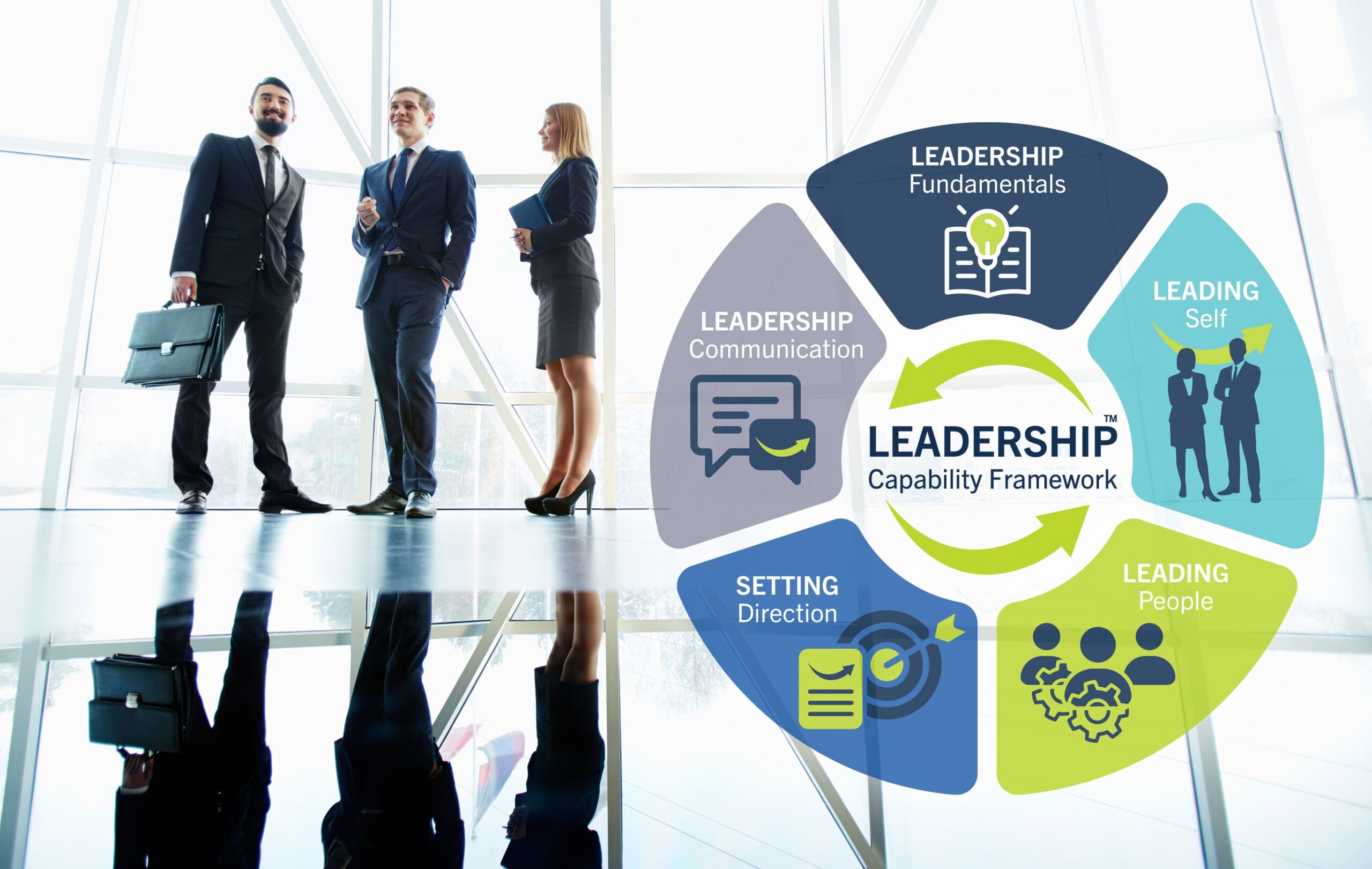
The framework brings together the essential behaviours, skills and mindsets managers need to be effective in today’s organisations. These are organised under five key pillars:
- Leadership Fundamentals
- Leading Self
- Leading People
- Setting Direction
- Leadership Communication
These pillars – and in particular the competencies within them – give organisations a simple, practical way to define what excellent leadership looks like for them, identify capability gaps, and build a development programme that strengthens your managers where it matters most.
Think of it as a toolbox, with five different compartments, each with its own set of tools that will help your managers to be more effective.
Flexible delivery to suit your organisation
Programmes can be designed as short, focused sessions or as longer development pathways delivered over weeks or months.
Recent examples of programmes we have designed include:
- A half-day programme for a nursery management team, built around the owner’s specific leadership priorities.
- A one-day programme for managers in a pub and restaurant chain, tailored to the real‑world hospitality challenges they face daily.
- An eight-day programme for a construction company who wanted a complete leadership course in order to develop all of the essential competencies in their managers.
Why this framework matters now
Many organisations are facing similar pressures:
- Financial and time pressures requiring focused training programmes
- Low employee engagement or high employee turnover
- Managers lacking confidence or leadership awareness
- Teams needing clearer direction and stronger communication
- Inconsistent leadership behaviours across departments
- Management succession pipelines requiring more structured capability building
The Leadership Capability Framework provides a diagnostic leadership menu — a clear roadmap for you to use to create a programme that develops the exact competencies your managers will need to perform at a higher level.
What makes it different
This framework isn’t theoretical. It’s built from 15 years of real‑world leadership development across the UK, Europe and the Gulf.
Every competency, behaviour and skill included comes directly from delivering programmes to managers at all levels – from first‑line supervisors to senior leaders.
It’s practical, not academic. It’s flexible, not rigid. And it’s designed to create focused leadership behaviour development, not just course attendance.
If you’d like more information on the Leadership Capability Framework™, or to explore how we can design a bespoke programme around your managers’ specific learning needs, do feel free to reach out.
Book Focus – The Leader’s Companion by J. Thomas Wren
This is an older leadership book, but one I still rate highly. The Leader’s Companion brings together leadership perspectives written across centuries and cultures, offering a rich collection of insights that remain relevant today.
What makes it stand out is the breadth of thinking it captures. Many of the original articles are included in full; from Hersey and Blanchard’s early work on what later became Situational Leadership, to Kirkpatrick and Locke on Leadership Traits, Robert Greenleaf on Servant Leadership, and historical pieces such as Thomas Carlyle’s The Hero as King and Machiavelli’s How Princes Should Keep Faith.
In total, the book contains 64 concise, insightful articles, each offering a different angle on leadership. It’s the kind of book you can pick up at any point, read a chapter that interests you, and walk away with something genuinely useful.
If you’re involved in leadership development, or you simply enjoy exploring how leadership thinking has evolved, I highly recommend it.