+44 2392 006926


Leadership Insights
Newsletter
Thoughtful leadership insights delivered straight to your inbox.
Sign Up for Our Newsletter

Managers: Why Valuing Your Team Members Could Be The Most Valuable Thing You Do
I have said in previous articles that a manager's team members are his or her most valuable asset because a manager is there to get results, but those results are primarily achieved through their team. But how many managers truly value their team members? Perhaps if they understood the benefits o...

Introducing the Leadership Capability Framework™: A Practical, Tailored Approach to Developing Your Managers
Uncertainty in business is higher than ever right now. With increasing economic pressures, shifting markets and greater demands on managers, organisations should be looking for leadership development that quickly identifies capability gaps and delivers practical improvement. Which is exactly why ...

Emotional Intelligence: The Leadership Skill That Separates Effective and Ineffective Managers
Most managers don’t fail because they lack technical skills. They often fail because they struggle with people. And a lack of Emotional intelligence (EI) can often be the reason. Leaders with strong EI usually communicate clearly, stay composed under pressure, and make decisions without being tak...

Why Your Organisation Should Consider A Succession Planning Programme
What is Succession Planning? Succession planning is the deliberate preparation of future leaders within an organisation. At the departmental level, it means a manager is actively developing someone who can take over when they move on. At the organisational level, it is a strategic process for ide...
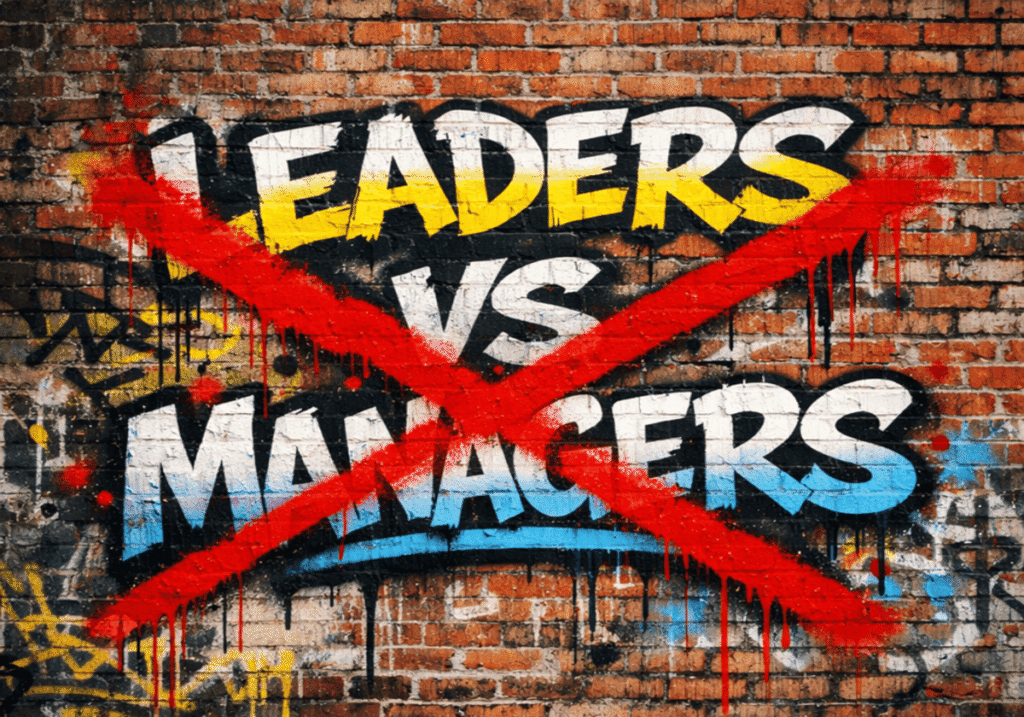
Leaders Versus Managers: It is time to end the debate
It really is time to end the discussion on leaders versus managers that still pops up on Linked In from time to time. The fundamental truth is that nearly all managers need to practise both leadership and management in order to be effective. By definition, this means he or she needs to be both a ...

Do You Use Consultative Leadership
Consultative leadership is an inclusive approach where managers actively involve their team in decision-making. By seeking input, exploring ideas, and listening to different perspectives from their employees, managers can gain deeper insight and make better-informed decisions, while still retaining ...
Let’s talk about your leadership goals.
We deliver practical, results-focused training that transforms managers into confident leaders. Let’s talk about what your organisation needs most.